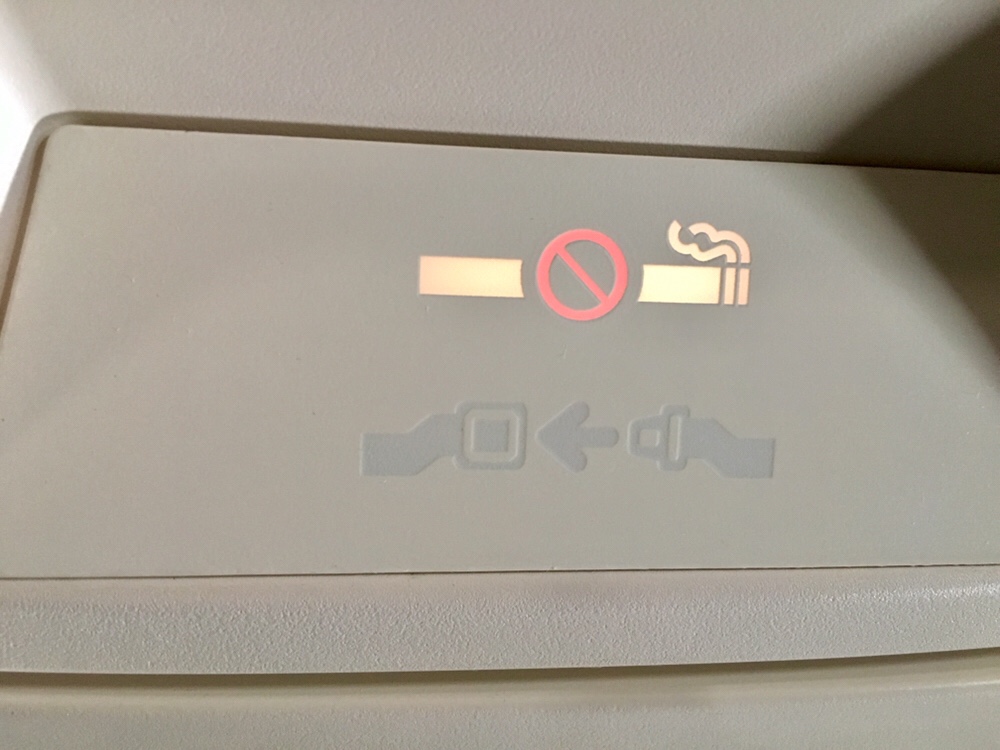
 One of the things I felt susceptible to in Europe was my hankering for Nicotine. It wasn’t my tendency to leave things behind (forgetfulness) or thrill of spending money I don’t have (I stretched it pretty far). In fact, I love a good cigarette, especially when I’m outside, talking with friends and possibly drinking a glass of wine. It’s the European image that gets in my head and says hey, live a little, relax, have a smoke.
I think it’s a problem because instead of going out for a walk, or doing some gardening, or even making a direct b-line for a nice outdoor space, you settle for a strip of shrubs along the road, next to cars which are also spewing CO2. Pretty gross.
Personally, I find smoking distracted me socially (from better conversations to personal engagement like missing social cues), spiritually (neglecting my need to go outside frequently), and physically (my body reacted with hot sweats and a cough).
Communally, these problems did not impact my studio group. We continued to visit sites, we met to eat dinner each night. But still, the question still lingers, if I had an experience that replaced my cigarettes, what would it look like? And how could it benefit the group, rather than take away?
I queued into smoking behaviors in Portugal and here’s what I observed:
-Portuguese people smoke a lot, especially tourists
-Hand-rolled cigarettes are less addictive than cigarettes because the tobacco has fewer additives. Making the practice healthier. I learned this from a Ukrainian friend who shared his hand rolled tobacco with me. He said he went from 1 pack a day to 5 or less per day. I’m riding around 1 cigarette per day. I’d like to be at zero, forever.
-The Portuguese government puts graphic pictures on the packs to deter smoking. This originally stopped me, but then I settled for a pack that said, “smoking might make you impotent.” This is perhaps my greatest fear. And somehow, this was the pack I used from!! Whoa.
-The Contents store in Portugal is a new mega mart. It’s like American Wal Mart. They joke and call it “Incontinents,” according to my new English friend Kyle from Broom-Town England. When I went to the Contents store to look for water color paper, I went to the “Notas” to see if they had any. While I took a number and waited, I witnessed people buying cigarettes in cartons and lottery tickets by the armful. Surprising.
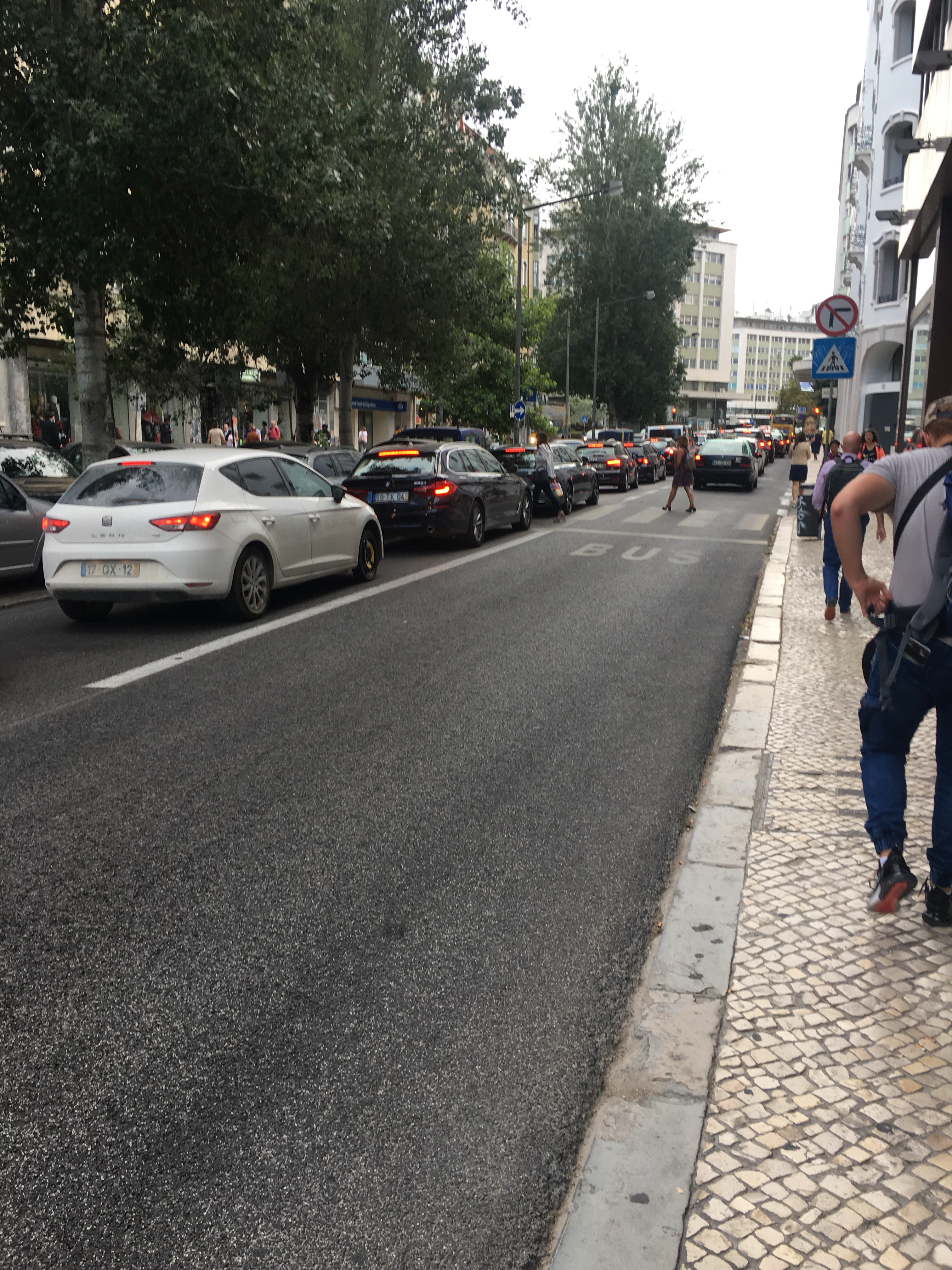
-More people smoking in vehicles. As if a running car wasn’t enough, I watched rush-hour traffic yesterday afternoon. Many people were in their car alone, smoking. The one person I can remember actually had an electric car, which makes me think there is sort of a guilt paradox to running a petroleum fueled vehicle and smoking.
-Disposables. Trash. Butts litter the streets, and not the good kind. They’re there too, but it’s hard to imagine a curb line without a ton of cigarettes mashed in the crack beside it.
As I move forward with my landscape architecture project, I think that there could be many approaches to attack smoking habits. I will look into a matrix of all the ways company’s and programs go about helping people kick the habit. Then, I will design a smoking garden. Maybe I’ll design a thing that can help replace the desire. Or maybe I’ll design a smoke-free place, like a hammock over a Japanese Garden (something ultimate for smoking, which is prohibited). Or maybe I’ll cue in on the threshold areas, the the fronts of office buildings, stores and restaurants to create an experience that is both “hygge,” (Danish for cozy, warm, together) but actually cleanses and replaces nicotine addiction with something more refreshing. Then there’s simply quitting, and consuming natural plants and medicines that have properties which fight against nicotine’s toxins and help regrow saratonin and other brain chemicals that cigarette and other tobacco smoke like cigars, destroy.
I’m doing this for Bizzle too (our family pet), as cigarette butts and dog poop are one way to ruin a nice city, and I find myself competing for and settling for outdoor space and with both! And I deserve better.







 Chadd G Hippensteel