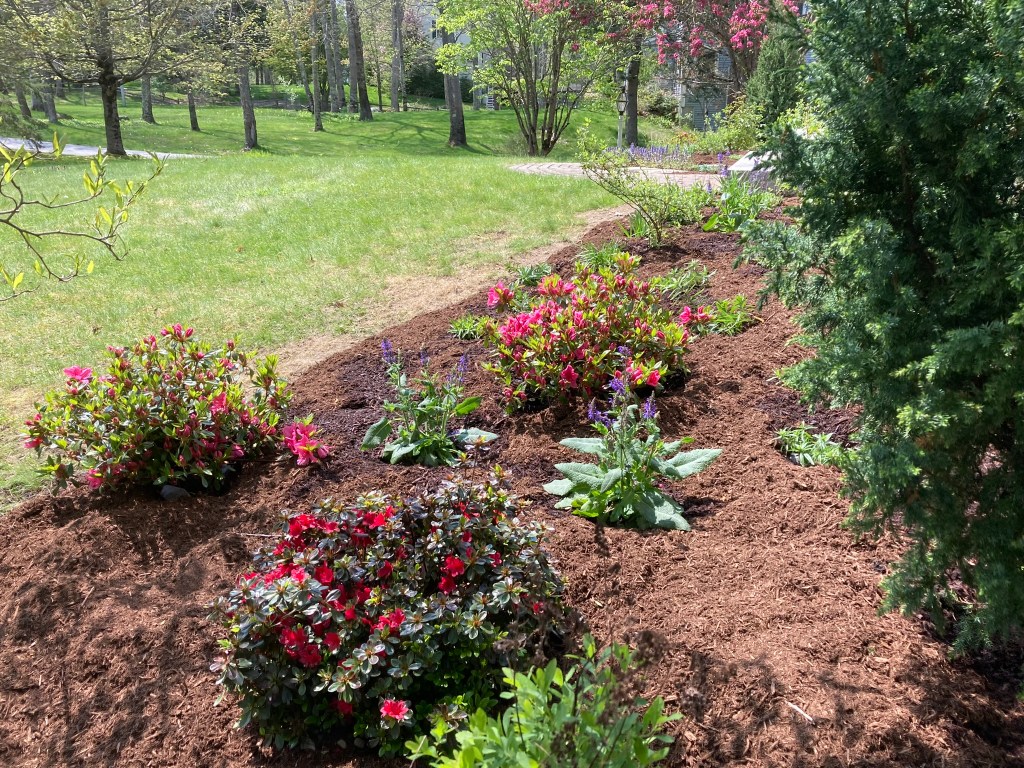
The meadow is a diverse love affair we can all appreciate.
Growing up in Barrington, New Hampshire there were meadows at every major junction leaving my house to go anywhere. There was a meadow at the end of my driveway, across the road, and at the end of my street. Driving past the expansive blooming fields with grasses waving in the wind gives me a deep sense of belonging to the Granite State and the Seacoast area.
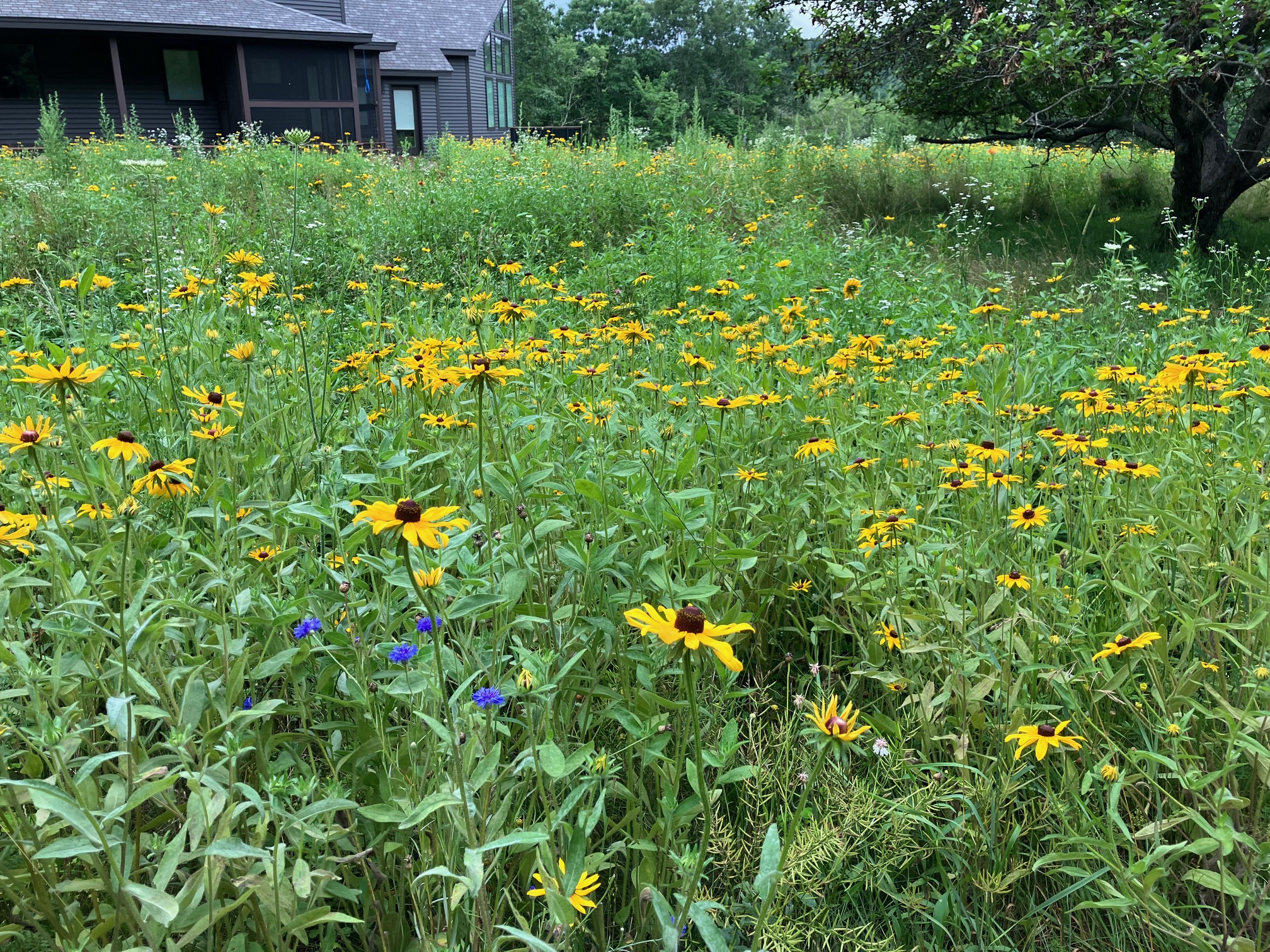
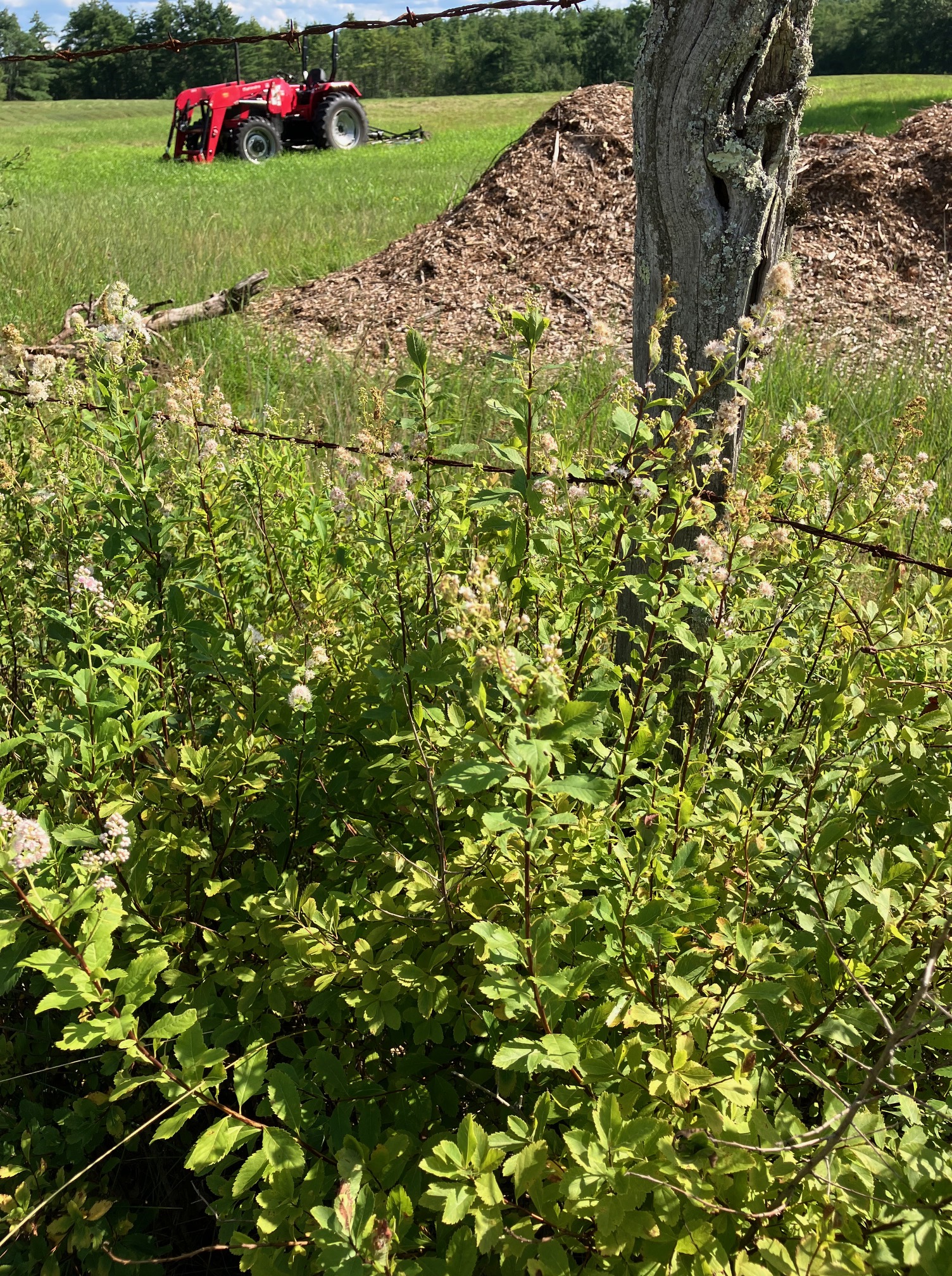
Facing human development, meadows like those in Dover and Durham, have much to teach us before they go under.
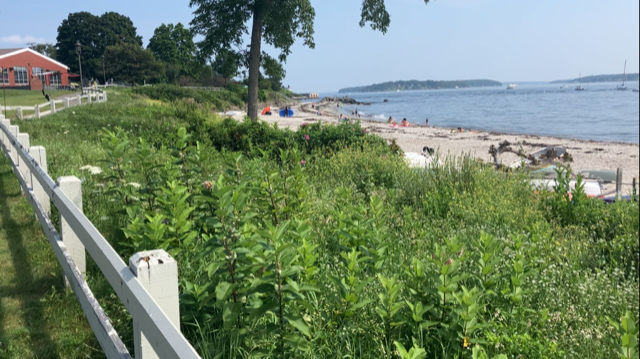
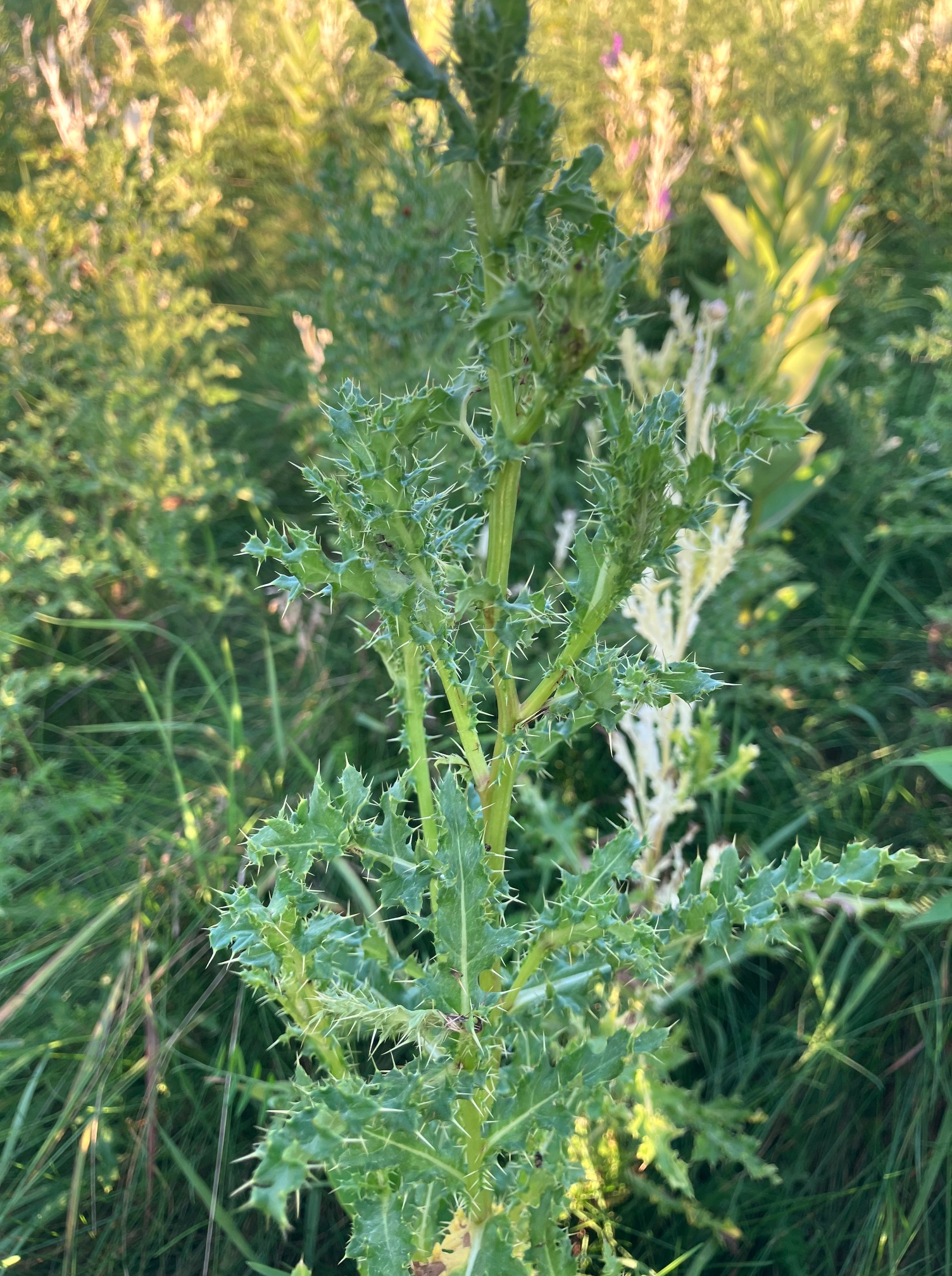
Meadows can thrive on terrain as dry as the beaches of Maine, as seen at Willard Beach, where Monarch’s were visiting Milkweed just days ago. Meadows can tolerate the salty spray from salt flats, as they do adjacent to Goss Farm in Rye, New Hampshire. Or they can be away from most streams and rivers, where they face challenges from invasive plants as they are throughout NH. Meadows are resilient.
Farmers maintain meadows to have certain types of grass for harvesting as hay or allowing their livestock to forage. Homeowners maintain meadows, cutting them at certain times of the year for maintenance, and otherwise leaving them. Conservation groups monitor meadows for forest growth, encouraging species and suppressing others. Designers use meadows in urban spaces and call it “Rewilding,” a term which refers to the loose style.
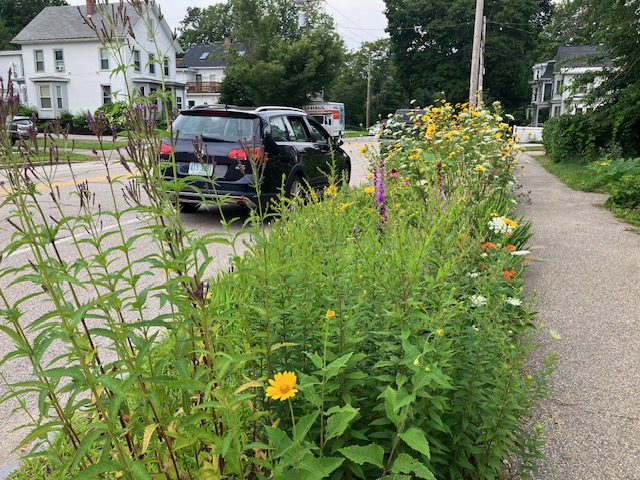
Incorporating meadows, especially into urban places, has many benefits for the environment. Wet meadows soaks up stormwater. Taller grasses and flowers provides some shade and reduces surface temperatures. Birds, insects, and other flower visitors like pollinators develop a symbiotic relationship to the natural open spaces. Humans are made calmer in the presence of a wild landscape.
While exploring the native and non-native plants that comprise meadows, I come to have reverence for the way meadows are constructed to be equitable, accessible, and climate resilient places. With a simple pathway, anyone can walk through a meadow. Flatter terrain is prime ADA fodder.
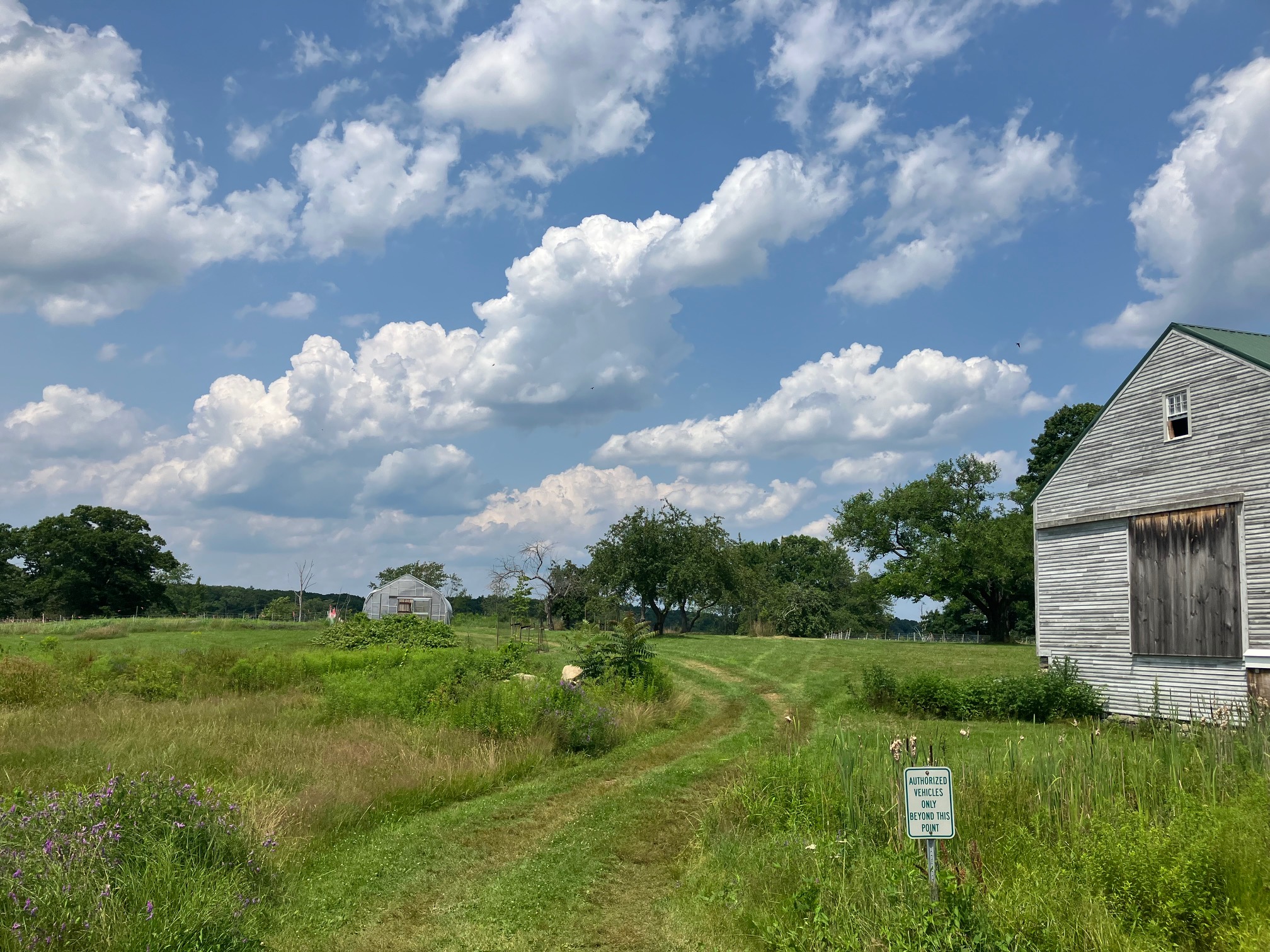
Now is a good time to experiment with implementing a meadow in your landscape. Installing a meadow requires planning, some say commitment to establishment takes a good three years. You can start by tuning into the joyous natural places near you to determine the types of plants in the arrangement, their characteristics, and the visitors they’ll host.
About Me
I’m a trained landscaper, horticulturist, and landscape designer. I can identify plants, I understand plant guilds and plant communities, and I am learning the importance of native plants. More information can be found in my portfolio, here, and at Chadds Design Blog where I am currently documenting my efforts to make a movie exploring meadows, native plants, and incorporating them into urban spaces.